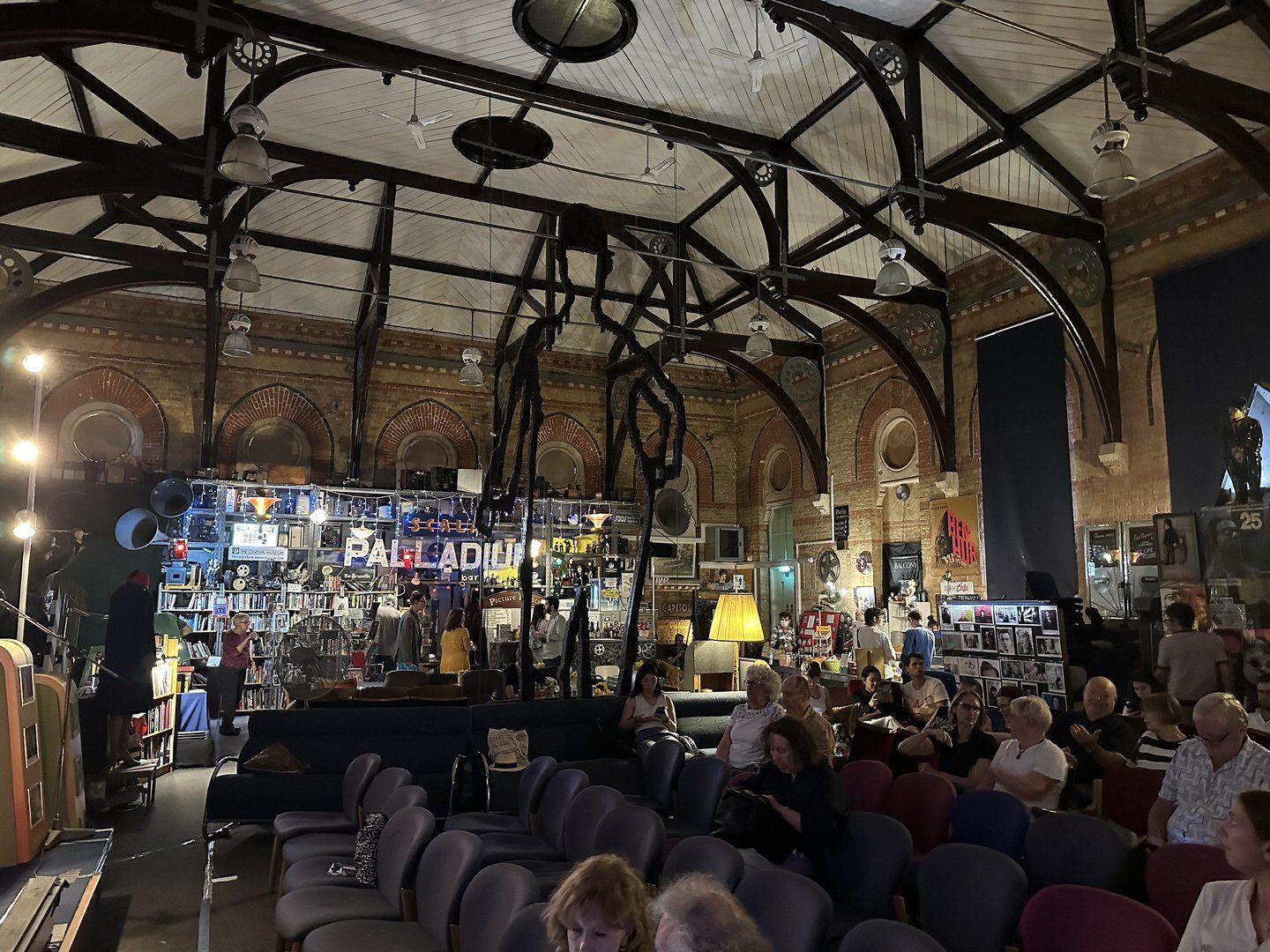
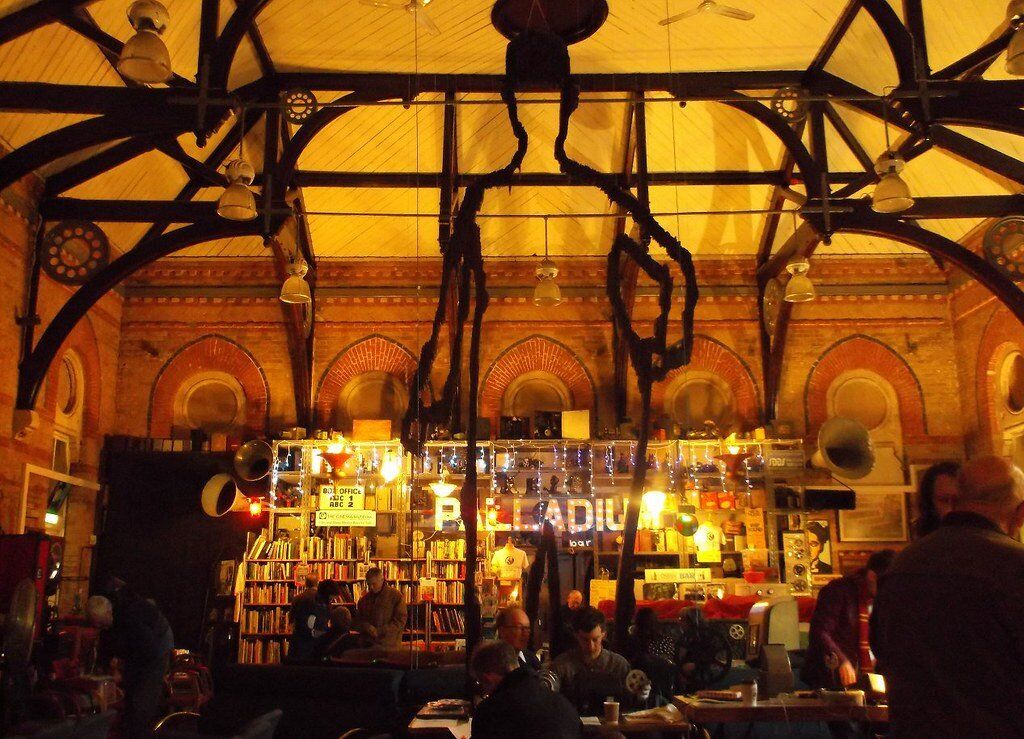
Out of sight, and out of mind, the Cinema Museum near Elephant and Castle rarely features as one of the top places to visit in London. But to those in the know, it’s a lot more than just some rooms stuffed with cinematic treasures.
In fact, the longer you peruse this unusual but eclectic collection, the more you appreciate just how much cinema and the film-viewing process has changed, particularly when you rewind the clock right back to its origins.
But the story of the museum itself is just as interesting as the bounty locked inside its walls. Once a workhouse with plenty of fascinating connections, including a brief cameo in the infamous Jack The Ripper files, the Cinema Museum building has seen broader societal changes that stretch far beyond the gilded screen.
Join us as we take a look at one of London’s most underrated hidden gems…
The History of The Cinema Museum in London
Ironic though it might seem to us now in the 2020s, The Cinema Museum was founded out of a growing concern that Britain’s rich tradition of cinema-going was rapidly disappearing.
From the mid-20th century onwards, hundreds of local picture houses (anyone else’s parents and grandparents still call the cinema “the pictures”?) were closing across the country. They were the latest victims of changing leisure habits, television ownership, urban redevelopment, and later the rise of multiplex cinemas on city outskirts.
While films themselves were being preserved by major archives, the everyday culture of visiting the cinema like the buildings, signage, seating, projection equipment, uniforms, programmes and promotional materials was being quietly lost.
Determined to play their part in preserving British cinema history, Ronald Grant and Martin Humphries, two lifelong cinema enthusiasts and collectors, began gathering ephemera that documented the social experience of British cinema rather than its films alone.
Their aim was not simply to create a private collection but to build a public institution dedicated to celebrating the communal ritual of going to the cinema, including queueing, the usherettes guiding patrons to their seats, the distinctive décor of Art Deco auditoriums and the machinery that powered the golden age of projection.
In 1986, their efforts formally took shape with the establishment of the Cinema Museum as a registered charitable trust. Operating independently and without government funding, the organisation gradually grew, relying on volunteer support, donations, and the founders’ expanding archive of artefacts.
Over time, their collection developed into one of the most comprehensive records of British cinema culture in the country, encompassing thousands of posters, photographs, cinema furnishings, projection technologies and personal memorabilia.
Location, Relocation and The Workhouse Connection
It probably won’t escape your attention that the setting of the Cinema Museum is as historically resonant as the collection it houses.
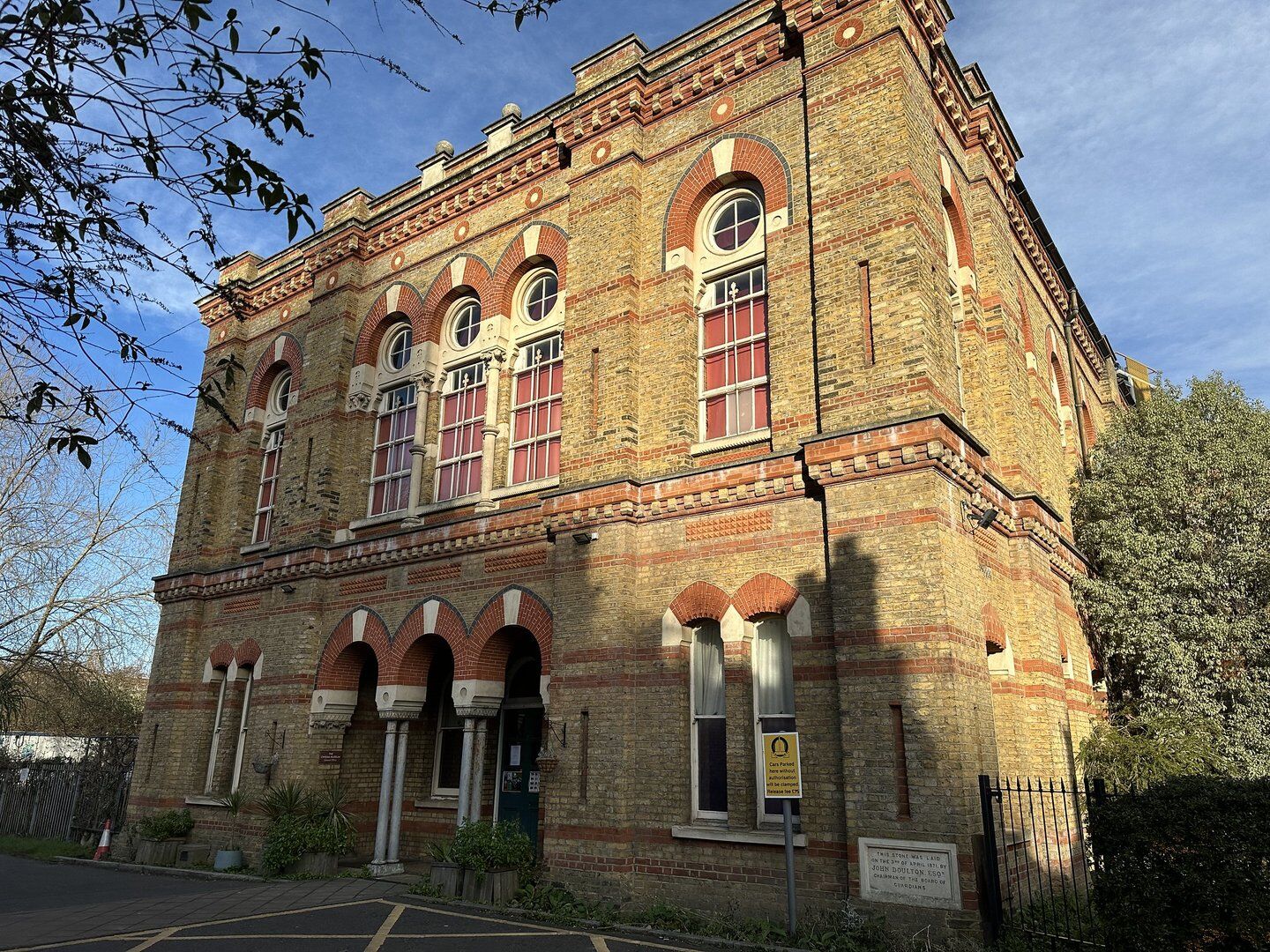
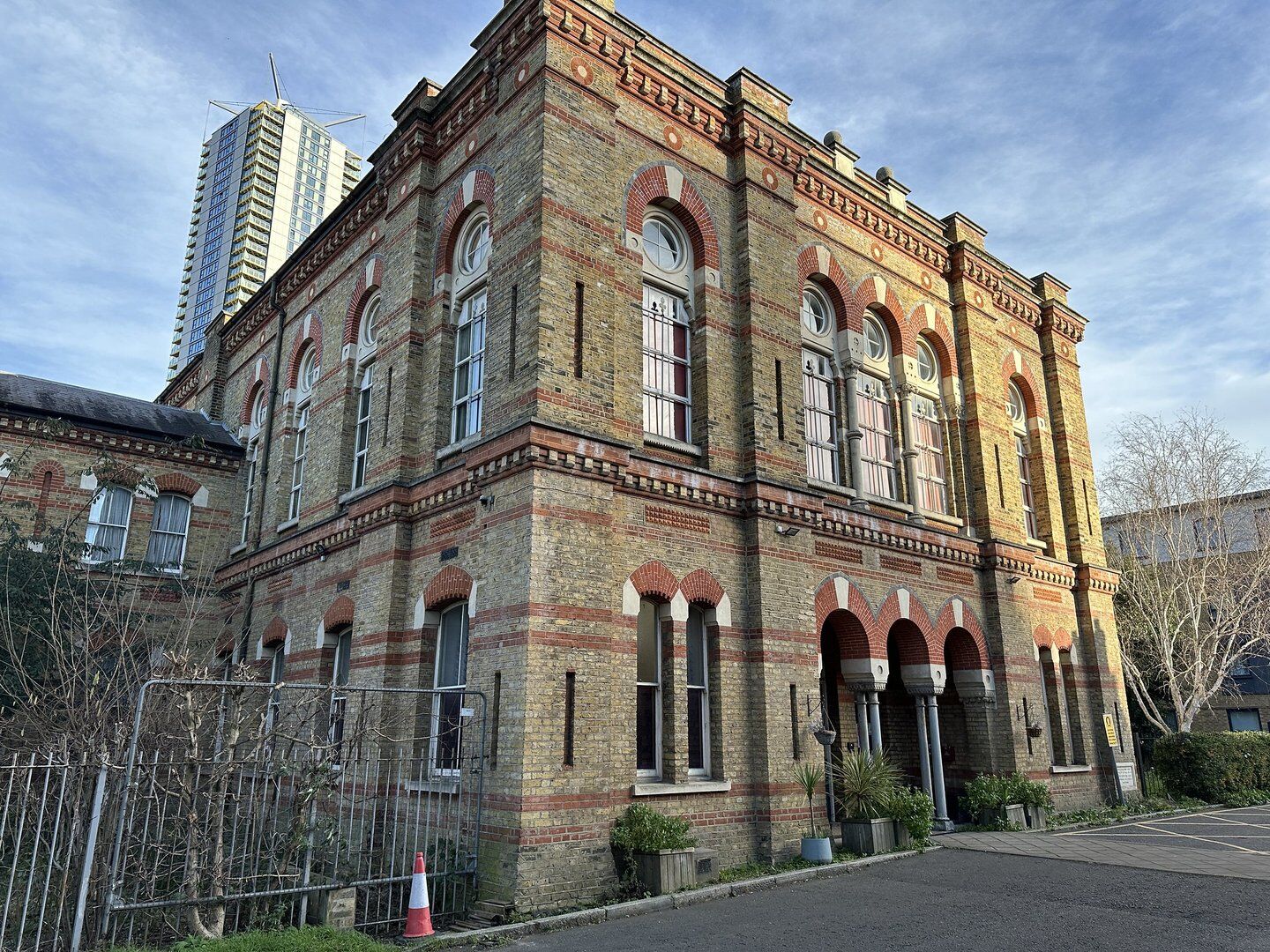
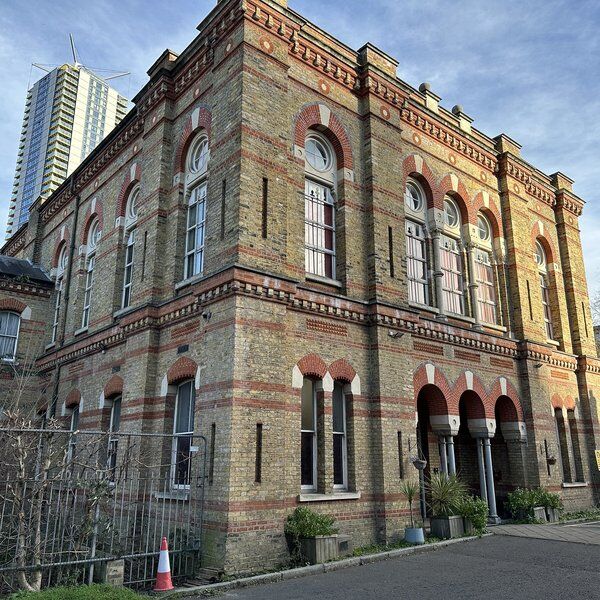
The museum occupies part of the former Lambeth Workhouse, a Victorian institution constructed in 1871 to provide shelter and employment for the local poor under the New Poor Law system. Workhouses were a stark feature of 19th-century social welfare, offering basic accommodation in exchange for labour, often under harsh conditions. Lambeth’s facility was one of the largest in London and later formed the core of what became St Thomas’s Hospital’s Lambeth Wing.
Lambeth Workhouse made headlines in newspapers for many reasons over its lifetime. Standards inside the workhouse were the source of frequent inquiries and speculation, and much was made of the fact that the “inmates” were “allowed” to celebrate Queen Victoria’s jubilee in 1887. How did they celebrate, I hear you ask? They were allowed to have ham for breakfast, and for dinner they were served roast beef, plum pudding and a pint of coffee. Alcohol was prohibited, but tobacco and snuff were supplied, which apparently went down with “the older ladies”.
Who were these inmates? Men, women and children were all placed inside Lambeth Workhouse’s walls if they fell on hard times. One was none other than Mary Ann Nichols, known as Polly, who is believed to have been Jack The Ripper’s first victim.
Interestingly, among the countless individuals who passed through the workhouse was a young Charlie Chaplin. As a child in the 1890s, Chaplin and his family were admitted to the institution during a period of acute poverty caused by his mother’s illness and his father’s absence.
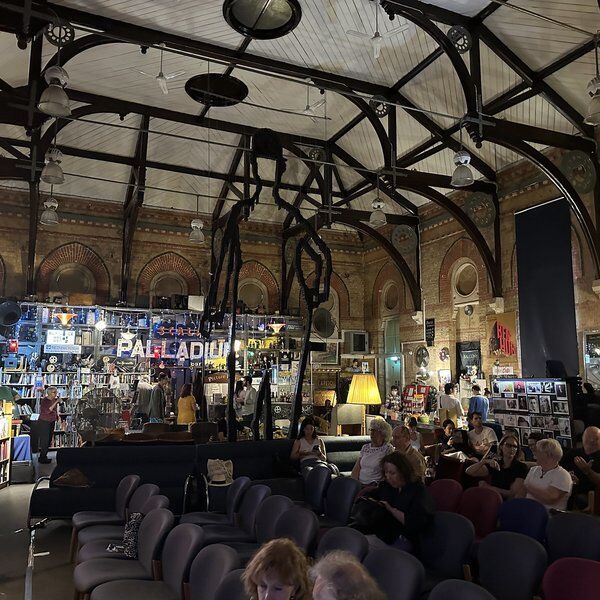
When the Cinema Museum sought a permanent home in the 1980s, the Lambeth Workhouse site proved an unusually fitting choice. Its historical layers made up of social reform, hardship, and eventual creative transformation, echo the narrative power of cinema itself. Repurposing a former workhouse into a centre for film heritage symbolised a shift from Victorian austerity to cultural preservation and storytelling. The building’s generous interior spaces also provided practical benefits, allowing for the display of large artefacts such as cinema seating, projection equipment and signage, while retaining an atmospheric setting well suited to immersive exhibitions.
Celebrating Cinema-Going: Exhibitions & Collections
The Cinema Museum sets itself apart from traditional film institutions by focusing not on the art of filmmaking alone, but on the social experience of cinema-going: how ordinary audiences, like us, encountered the movies across more than a century of British cultural life. Its exhibitions capture the atmosphere, rituals and material culture of the picture house, documenting everything from glamour and spectacle to everyday community routines.
Preserving Britain’s Cinema Heritage
At the heart of the museum’s mission is the preservation of cinema ephemera; everyday objects once considered disposable but now recognised as crucial historical records.
Great news if you’re into odd finds and nerdy tidbits: the collection includes thousands of posters advertising films ranging from silent-era classics to post-war blockbusters. You’ll also find the old uniforms that were once worn by cinema staff, including iconic “usherette outfits” which remind us of the ceremonial aspect of cinema-going, when a night at the pictures was both a social event and a form of theatre.
If you’re a camera buff and want to see some very vintage equipment up close, you’ll enjoy perusing the vintage projectors and sound equipment that chart the technological leap from silent film hand-cranked machines to large-scale 35mm projection systems. There’s also examples of authentic cinema seating rescued from closed auditoriums.
But beyond physical artefacts, the Cinema Museum has worked to preserve oral histories and personal memorabilia from cinema managers, projectionists, ushers, and lifelong film fans. If you’re very lucky, your guided tour will be presented by one of the co-founders, both of whom would undoubtedly smash Mastermind if their chosen subject was cinema history.
Visiting the Cinema Museum in London
So how do you get to see this incredible place for yourself?
The Cinema Museum operates primarily on a tour-only, pre-booking system. As we mentioned earlier, standard visits take the form of guided tours led by knowledgeable volunteers and historians who provide detailed commentary on the collection, the building’s history and the evolution of British cinema culture.
But make sure you check the calendar before you book. In addition to regular guided tours, the museum often hosts special open days and themed events throughout the year. These often coincide with anniversaries, film festivals, or heritage celebrations and may include extended access to exhibition spaces, film screenings, or guest talks focused on specific areas of cinema history, so don’t miss out!
Getting There
The Cinema Museum is located in Kennington, South London, within easy reach of central transport links:
- Elephant & Castle Station (Bakerloo and Northern Lines, National Rail) – approximately a 10–15-minute walk
- Kennington Station (Northern Line) – around a 10-minute walk
Several bus routes stop along nearby streets, including Lambeth Road, Kennington Road, and the Elephant & Castle interchange, providing direct connections to Waterloo, Westminster, and the South Bank.
Find More Things to Do in London with CityDays

Whatever your interests are, there’s always something new for you to discover in London.
In fact, you don’t have to go out of your way at all to find them - you just have to know where to look.
Discover London’s secret sights and noteworthy nooks by playing one of our London treasure and scavenger hunts, food experiences, escape room games or walking tours.
Looking to provide the best team building activities in London? Look no further.
You’ll find curated trails and hunts all over London, including Central London, Mayfair, Shoreditch, Kensington and Southwark.
All you have to do is team up with your partner, friends, family or whoever to solve riddles, complete challenges and answer trivia to lead you on an unforgettable journey around London’s most intriguing streets.
The best part? We’ll recommend top-rated pubs, cafés and restaurants and give your team the chance to earn rewards by competing on our leaderboard.